
I’m going to level with you about something most parents and young athletes don’t think about until it’s too late. Fall isn’t downtime. It’s not a break between seasons. Fall is when you’re either getting ready for winter sports or you’re falling behind.
I’ve been doing sports coaching in Colorado for almost a decade now, working mostly with high school and club athletes. And every single year, I watch the same thing happen. September rolls around, kids come back from summer tournaments or training camps, and everyone’s tired. They want a break. Parents think their kids need rest. And look, rest is important. But there’s a massive difference between strategic recovery and just checking out for two months.
Which athletes dominate the winter season? They’re the ones who spent the fall building a foundation.
Winter Does Not Mean Stop Training!
Why Fall Training Matters in Colorado
Colorado’s unique when it comes to winter sports. We’ve got skiing, snowboarding, hockey, wrestling, basketball—all hitting full stride between November and March. And if you’re not physically ready when those seasons start, you’re playing catch-up the entire time.
I had this wrestler last year, decent kid, worked hard during the season. But he basically did nothing from June through October. Came back in November for the first practice and got absolutely gassed in the first week. Spent the rest of the season trying to build his conditioning while also learning technique and competing. He never really hit his stride.
Compare that to another kid I work with who does structured strength training and conditioning through the fall. By the time wrestling season started, his body was ready. He could focus on technique and strategy instead of just surviving practice. Different results entirely.
Strength Training Is Non-Negotiable
Here’s where I’m going to sound like a broken record, but I don’t care because it’s that important. Your athlete needs to be doing some form of strength training in the fall. Not optional. Not “when we have time.” It needs to be part of the plan.
And I’m not talking about random workouts where they do some push-ups and call it a day. I mean structured strength training with progressive overload. They should be getting stronger week over week, tracking their numbers, and following an actual program.
For younger athletes—I’m talking middle school, maybe early high school—bodyweight stuff and basic movements are fine. Learn to squat properly, do push-ups with good form, and work on pull-ups. Build that foundation.
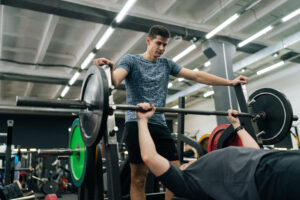
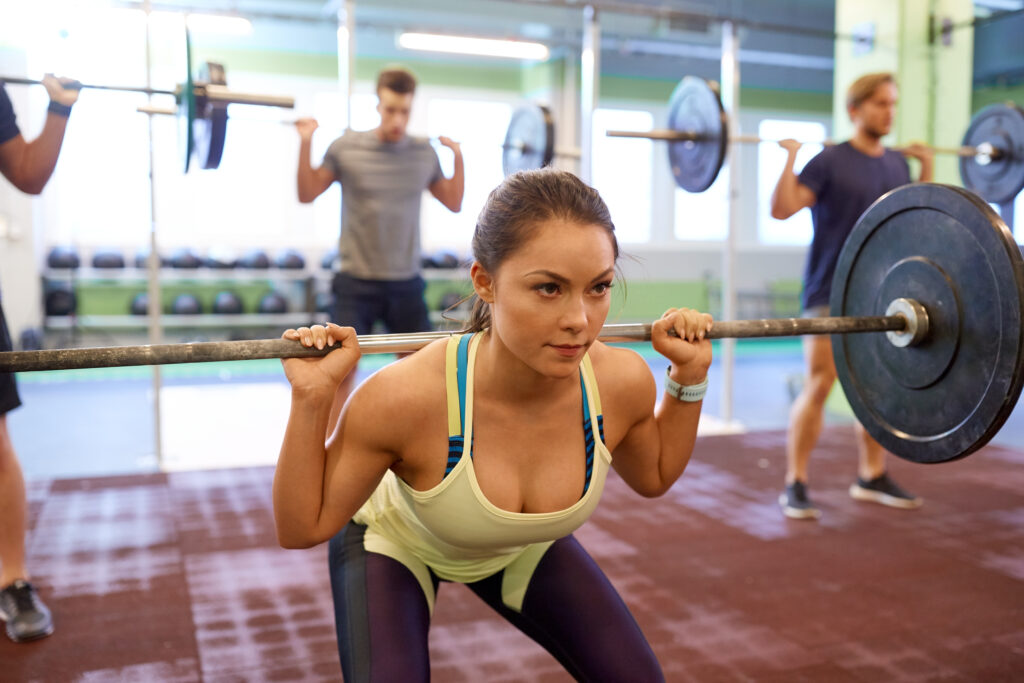
But once you’re looking at juniors and seniors who’ve been training for a while? Time to get more serious. Barbell work. Powerlifting movements like squats, deadlifts, and bench press. These compound movements build real strength that translates to every sport.
I’ve seen hockey players add 20 pounds to their squat in an eight-week fall program and that power shows up immediately on the ice. Their acceleration is different. Their ability to hold a position is different. Basketball players who deadlift properly have better rebounding and more explosive jumps. It’s not magic—it’s just basic physics and physiology.
The Conditioning Gap
Strength is one piece. Conditioning is the other piece everyone wants to skip because it sucks.
Nobody likes conditioning work. I get it. It’s hard, it’s boring sometimes, and you feel like death afterward. But if your athlete shows up to the winter season without a solid aerobic base, they’re in trouble.
Different sports need different energy systems, but almost all of them need some level of cardiovascular fitness. Wrestlers need insane work capacity. Hockey players need repeated sprint ability. Even sports like skiing that seem more technique-focused require serious cardio to perform at altitude for extended periods.
Fall is when you build that base. You’re not doing crazy intense stuff every day. You’re running, biking, doing sled work, rowing—whatever gets their heart rate up for extended periods. Build that engine. Then, when the season starts and you’re doing sport-specific conditioning, they’ve got something to build on.
I usually program two or three conditioning sessions per week in the fall for most athletes. Nothing that’s going to destroy them, but enough to maintain and improve their aerobic capacity. Mix in some interval work as you get closer to the season to work on that anaerobic system too.
Nutrition Actually Matters
Okay, this is the part where I lose most people because nutrition is complicated and teenagers eat like raccoons. But if you’re serious about performance, you have to at least try to get this right.
Fall is a growth period. Your athlete should be eating enough to support their training and development. That means actual protein at most meals. Carbs to fuel their workouts. Healthy fats. Vegetables that aren’t just iceberg lettuce.
I’m not saying they need to meal prep like bodybuilders or weigh their food. But there’s a baseline. Breakfast needs to be real food, not a granola bar grabbed on the way out the door. Post-workout nutrition matters. Hydration is huge, especially in Colorado, where it’s so dry.
The athletes I work with who take nutrition even semi-seriously see better recovery, better strength gains, and better energy during training. The ones who eat garbage and wonder why they’re always tired and not making progress? Yeah, there’s a connection.
I usually recommend working with a sports nutritionist if that’s accessible, or at least doing some basic education on what proper fueling looks like. It doesn’t have to be perfect, but it should be intentional.
Sports Coaching Makes the Difference
Here’s the thing about fall training that trips people up. You can’t just throw your kid in a weight room and tell them to get stronger. That’s how you get injured or waste time with inefficient programming.
Good sports coaching means someone’s actually looking at your athlete’s specific needs, their sport requirements, their weaknesses, and designing a program around that. A hockey player and a cross-country skier shouldn’t be doing the same fall program. Their demands are different.
I see this all the time with parents who think they can just Google “fall workout program” and call it good. Maybe it works. More likely, it’s generic and doesn’t address what their kid actually needs. Or it’s too advanced and they get hurt. Or it’s too easy and they don’t make progress.
If you can afford it, get your athlete working with someone who knows what they’re doing. A strength coach, a sports performance specialist, somebody with actual credentials and experience. They’ll assess movement patterns, identify imbalances, program appropriately, and adjust based on how your athlete responds.
Can’t afford private coaching? Look for group training options. Many gyms and sports facilities run fall programs specifically for athletes at different levels. It’s more affordable than one-on-one and you still get quality coaching.
The Mental Side
Nobody talks about this enough, but fall training is also mental preparation. The winter sports season is intense. Practices, games, travel, school pressure, everything hitting at once. Fall is when you build the mental toughness to handle that load.
When your athlete is doing hard workouts in September and October, they’re not just building physical capacity. They’re learning to push through discomfort. They’re developing discipline. They’re proving to themselves that they can do hard things even when they don’t feel like it.
That translates directly to season. The ability to push through a tough practice. To compete when you’re tired. To show up consistently, even when it’s not fun. All of that gets developed during fall training.
What a Fall Program Should Look Like
If I’m designing a fall sports training program for an athlete, here’s generally what I’m thinking:
Three to four strength training sessions per week. Hitting all major movement patterns—squat, hinge, push, pull, carry. Progressive overload, so they’re actually getting stronger week to week.
Two to three conditioning sessions. Mix of longer aerobic work early in the fall, transition to more interval-based stuff as we get closer to the season.
One or two days completely off for recovery. Rest is when adaptation happens.
Sport-specific skill work as needed. This depends on the sport and what else they’re doing, but they shouldn’t completely abandon their sport during fall.
Mobility and flexibility work throughout. Colorado athletes especially need this because we’re at altitude and the air is dry, which affects tissue quality.
Regular assessment. Check in on how they’re feeling, how they’re recovering, what’s working, and what’s not. Adjust the program based on feedback.
Common Mistakes
The biggest mistake is doing nothing. Just taking the fall completely off and hoping to get back in shape quickly when the season starts. Doesn’t work that way.
The second biggest mistake is doing too much too soon. The kid hasn’t lifted weights all summer, shows up in September and tries to max out on squat. That’s how you get injured and miss your season.
Other mistakes I see constantly—no program structure, just random workouts. Ignoring nutrition completely. Skipping warm-ups and mobility work. Not getting enough sleep (teenagers are terrible at this). Training through pain instead of addressing issues early.
Also, playing too many sports simultaneously without proper programming. Club soccer, while also doing volleyball, and trying to do strength training? That’s an overuse injury waiting to happen. Sometimes less is more.
The Altitude Factor
Living in Colorado adds another variable. Training at altitude is hard. Your body’s working harder just to do basic things. That affects recovery, performance, hydration needs, everything.
Fall training at altitude can actually be an advantage if you program it right. Your cardiovascular system adapts, red blood cell production increases, and you develop better oxygen utilization. Athletes who train seriously at altitude have an edge when they compete at lower elevations.
But you have to account for it. Recovery takes longer. Hydration is more critical. Intensity levels might need adjustment. Don’t just copy a sea-level program and expect it to work the same way here.
Investment That Pays Off
Look, I get that fall sports training requires time, effort, and usually money. It’s another thing to fit into an already busy schedule. But if your athlete is serious about their sport, this is where you invest.
The kids who commit to structured fall training programs consistently outperform the ones who don’t. They’re stronger, they’re better conditioned, they’re more durable, they’re mentally tougher. When winter season hits, they’re ready to compete while everyone else is still trying to get in shape.
And beyond just performance, there’s the injury prevention piece. Athletes who’ve spent the fall doing proper strength training and movement prep are significantly less likely to get hurt during the season. That alone makes it worth it.
Getting Started
If your athlete hasn’t been doing any structured training and the winter season is coming up, start now. Don’t wait. Even six weeks of focused work makes a difference.
Find a coach or program. Get an assessment. Build a plan. Start light and progress intelligently. Focus on form before adding weight. Prioritize consistency over intensity.
And understand that fall training isn’t about peaking—you’re building a foundation. The gains you make now set up everything that happens during the season. Think of it as an investment with delayed returns.
Winter sports in Colorado are competitive. The athletes who succeed are the ones who show up prepared. Fall is when you do that preparation. Everything else is just wishing and hoping.