
I started powerlifting three years ago when I was stuck in a fitness rut. I’d been doing the same gym routine for months, not getting stronger, and honestly getting pretty bored with working out. My friend Dave kept bugging me to try powerlifting at Iron Temple downtown, but I figured it was just for huge bodybuilder types who could already bench twice their body weight.
Turns out I was completely wrong. The powerlifting community in Colorado Springs is actually super welcoming to beginners, and the focus isn’t on looking a certain way – it’s about getting genuinely stronger. Now I’m addicted to chasing new personal records, and I’ve competed in two local meets with a third one coming up next month.
If you’re thinking about getting into powerlifting here in the Springs, the scene is way more accessible than you’d think. Plus, there’s something pretty awesome about living at altitude and building serious strength at the same time.
Powerlifting & Squatting In Colorado Springs, CO
What Powerlifting Actually Is
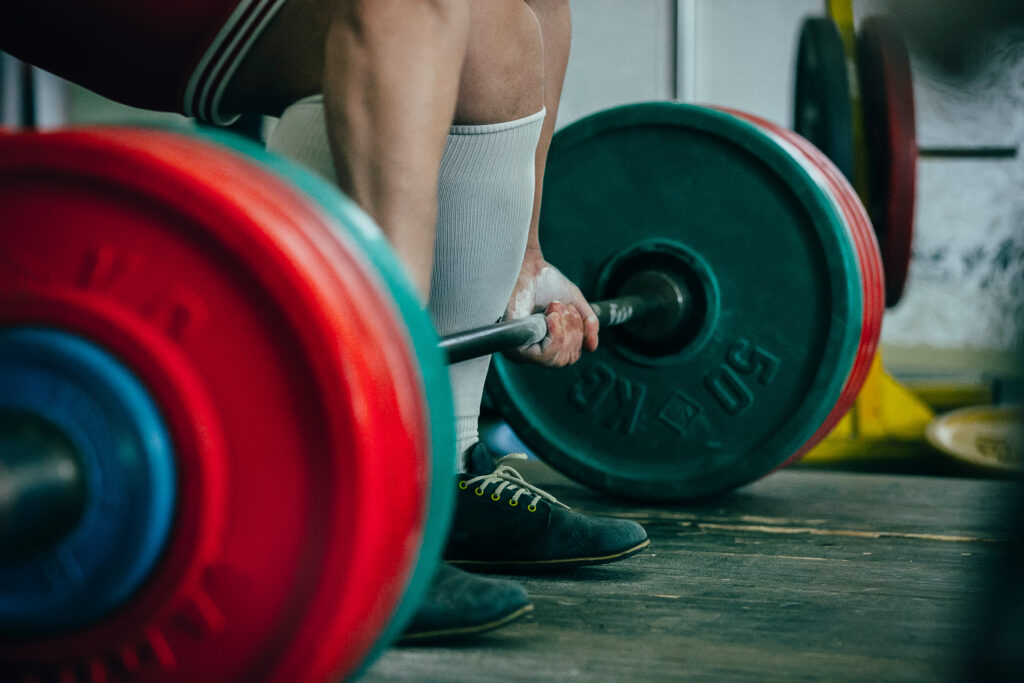
Before I got into it, I thought powerlifting was just lifting heavy weights and grunting a lot. Technically that’s not wrong, but there’s way more strategy involved than I expected. Powerlifting focuses on three specific lifts – squat, bench press, and deadlift. Your goal is to lift as much weight as possible in each lift, following strict competition rules.
The cool thing is that you’re competing against yourself as much as other people. Every training session is about beating your previous numbers, and when you hit a new personal record, it’s this incredible rush. I’ll never forget the first time I deadlifted 300 pounds – felt like I could conquer the world.
What surprised me most was how technical these lifts are. It’s not just about being strong, though that helps. You need proper form, timing, and strategy. My squat improved way more from fixing my foot position than it did from just trying to lift heavier weights.
The Mental Side Nobody Talks About
Powerlifting is as much mental as physical. When you’re attempting a weight that’s heavier than anything you’ve lifted before, your brain tries to talk you out of it. Learning to push through that mental barrier is huge, and it carries over into other parts of life.
I’m way more confident at work now because I know I can handle difficult challenges. If I can squat 350 pounds, I can definitely handle a tough presentation or difficult conversation with my boss.
The Colorado Springs Powerlifting Scene
The powerlifting community here is surprisingly tight-knit for a city this size. There are maybe four or five serious powerlifting gyms, plus several regular gyms that have decent powerlifting setups. Iron Temple and Barbell Battalion are probably the most hardcore, but places like 24 Hour Fitness actually have decent equipment if you’re just starting out.
What I love about training here is the altitude factor. Colorado Springs sits at about 6,000 feet, which means everything is harder at first but makes you stronger faster. When I travel to sea level now, lifting feels almost easy because my body is adapted to working with less oxygen.
The local competitions are really well-organized too. Colorado Springs hosts several sanctioned powerlifting meets each year, and they draw competitors from all over the region. The atmosphere is competitive but supportive – people cheer for everyone, not just their friends.
Finding Your Training Crew
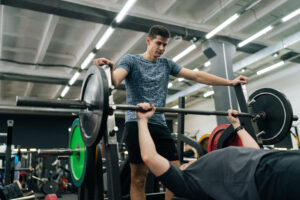
The best part about powerlifting here is how willing experienced lifters are to help newcomers. When I first started at Iron Temple, this guy Marcus who was benching 400+ pounds spent twenty minutes teaching me proper bench technique. No ego, no attitude, just genuine help.
Most of the serious gyms have informal coaching available from experienced lifters. You don’t need to hire a personal trainer right away – just show up consistently and ask questions. People love talking about their training methods and sharing what works.
Building Competition Strength
Training for powerlifting competition is different from regular strength training. You’re not just trying to get stronger – you’re trying to peak for a specific date and nail three perfect lifts under pressure. This requires way more planning and periodization than I expected.
My coach has me following a structured program that builds strength over 12-16 week cycles, with the last few weeks focused on practicing competition commands and timing. We practice the exact routine I’ll follow on meet day, including warm-up timing and attempt selection.
Dealing with Altitude Training
Training at altitude has its challenges. Recovery takes longer, especially when you first start powerlifting. I had to learn to listen to my body more and not push through fatigue the way I did at sea level. But the strength gains are real – when your body adapts to working with less oxygen, everything becomes more efficient.
Hydration is crucial here too. The dry air and altitude mean you dehydrate faster, which affects performance more than you’d think. I go through way more water during training sessions than I did when I lived in Houston.
Competition Preparation and Mindset
My first powerlifting meet was terrifying and amazing at the same time. All that training comes down to nine lifts – three attempts each at squat, bench, and deadlift. You get three chances to hit your best numbers in front of judges and spectators.
The key is having a solid game plan for attempt selection. Your opener should be something you can hit on your worst day. Your second attempt is where you go for a solid personal record. Third attempt is where you reach for something special or play it safe for placement.
Meet Day Reality
Competition day is completely different from training. The timing is strict, you’re lifting on command from judges, and there’s this electric energy from other competitors and spectators. Some people thrive on this pressure, others struggle with it.
I’ve learned that having a routine helps calm the nerves. I do the same warm-up sequence, listen to the same playlist, and follow the same mental preparation for each lift. Consistency helps when everything else feels chaotic.
Getting Started in the Springs
If you’re thinking about trying powerlifting in Colorado Springs, just start. You don’t need special equipment or perfect form – you need consistency and willingness to learn. Most gyms offer day passes so you can try different places and see where you feel comfortable.
Find a gym with good powerlifting equipment – proper squat racks, competition-style barbells, and plenty of plates. More importantly, find a place where people are willing to help and the atmosphere feels right for your personality.
The powerlifting community here genuinely wants new people to succeed. We need more competitors at local meets, more training partners, and more people who understand that getting stronger is its own reward. Colorado Springs is a great place to start this journey – the altitude makes you tougher, the community supports you, and the mountain views from the gym windows don’t hurt either.