



Without proper training, athletes cannot prepare their bodies for sports. When they do training, they can easily improve their performance and perform well in different sports activities. However, if you do not take proper rest and wait for full recovery, it will also affect your body. You can experience muscle pain, slow recovery, and even fatigue.
However, studies also show that most of the injuries occur due to poor recovery. That’s why every player should prefer muscle recovery before joining more training sessions. In addition, due to the high altitude in Colorado, players have to face different challenges, such as low oxygen and dehydration. All these issues again increase the risk of injuries. Therefore, for injury prevention and athletic recovery, some smart strategies are important.
In this blog, we will explore in detail the common sports injuries, tips to prevent them, some risky habits, and more.

Prevent Injuries in Colorado Springs, CO
Why is Injury Prevention Essential for Athletes?
The injuries in athletes do not happen only due to accidents or mistakes. However, some injuries occur because players ignore the early warning signs, which they notice in the form of pain or a twist.
Moreover, when they train without proper guidance or do not allow the injuries to recover completely, it also leads to injuries. But once the injury happens, it would be difficult to treat it, and it would also take a lot of time.
That’s why, if you want to save yourself from these hassles, injury prevention and athletic recovery are essential. It will play a major role in keeping the athletes active. When you don’t follow prevention techniques, a small strain will take time to heal and can also turn into a long-term problem. Moreover, it will also affect your performance and daily activities.
On the other hand, Injury prevention and athletic recovery will help athletes build strength and improve mobility. The applied methodology from the National Academy of Sports Medicine shows that athletes can reduce the risk of injuries by 50-70% with proper structured training.
Here is why injury prevention is necessary:
- About 50% of injuries occur due to overtraining of muscles. So you shouldn’t do more exercises to avoid this issue.
- Training at high altitudes increases physical stress, which makes athletes more vulnerable to injuries
- Your untreated minor injuries can become chronic ones.
- Prevention requires significantly less energy than recovery.
To improve the overall performance and reduce the risk of injury to a minimum, some athletes also choose professional sports training programs.
What Are Common Sports Injuries Athletes Face?
During the training, athletes face various challenges and also experience multiple injuries. However, to treat them, it is essential that you know about the common injuries in sports.
It will help you to know the early signs. When you know the early signs, you can treat them before they become major body issues.
Here is a list of some common sports injuries in active athletes:
- Runner’s knee (patellofemoral pain syndrome)
- IT Band Syndrome
- Rotator cuff strains
- Ankle sprains
- Shin splints
- Shoulder Injuries
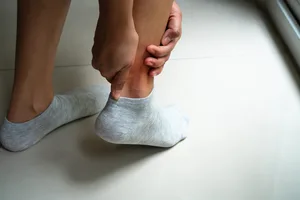
Players who run or cycle a lot more frequently face these injuries. Players first feel mild discomfort and pain in the hands, ankles, or knees. But as they do not take these injuries seriously and keep doing training, these issues become more serious.
Top 5 Injury Prevention and Athletic Recovery
Here are the top 5 injury prevention and athletic recovery strategies that athletes should follow during their training to avoid injuries.
Focus on Mobility and warm-Up
You should focus on joint mobility and stretching exercises before starting an actual training session. It will be better for you to do a 10-20 minute movement prep routine. It includes hip circles, leg swings, and thoracic rotation. It will help you to reduce stiffness and lower the risk of sudden injuries.
Strength and resistance training
To strengthen the muscles and improve support around the joints, you should do strength and resistance training. It will help you to prevent the common sports injuries that occur during intense workouts.
Proper hydration and balanced nutrition
At 6000+ feet, the water from the body reduces faster during breathing. As a result, dehydration occurs, which stiffens the muscles of the body. However, it also slows down the natural recovery process.
Therefore, athletes should drink more water, which should also contain electrolytes, to remain hydrated. Some people also take a proper nutrition plan from AlphaGainz to ensure they eat according to their body’s needs.
Consistent rest and sleep schedules
The growth hormones, which help in muscle recovery, are released during deep sleep. That’s why, for quick muscle recovery, 8-9 hours of sleep is essential.
Add Active Recovery Days
Some active recovery activities, such as walking, yoga, swimming, or cycling, will aid in increasing the blood flow to the muscle. This increased blood flow will help to heal muscles quickly.
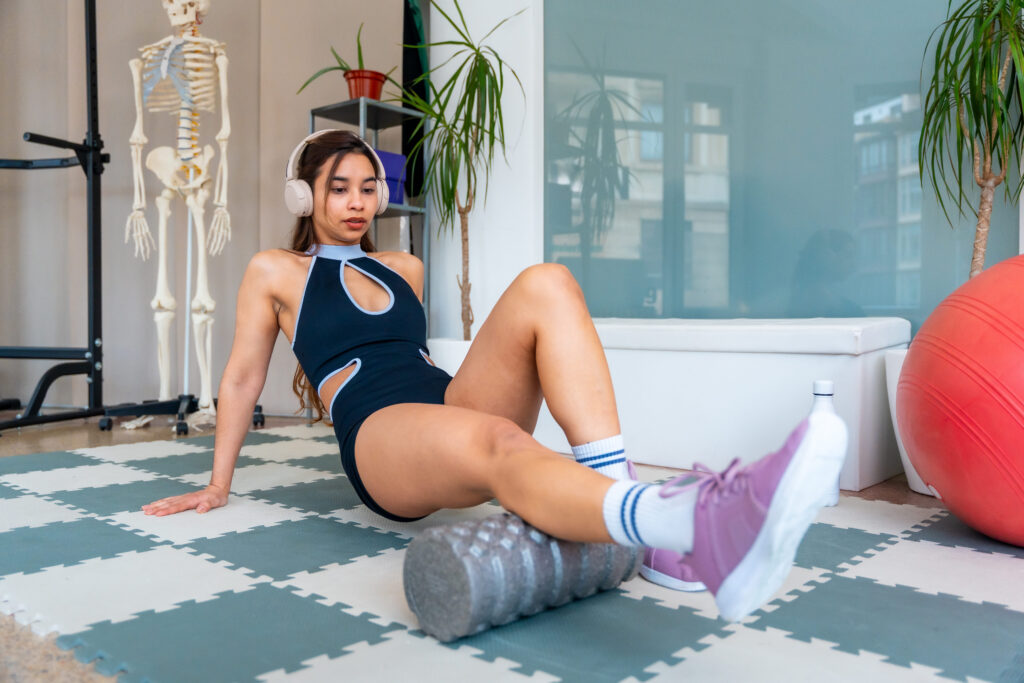
Stretching is Important Before and After a Workout
Unique Recovery Challenges for Athletes
Athletes face unique recovery challenges. These challenges occur because the 6,035 feet high altitude affects the body’s response and recovery from the exercises.
Moreover, at high altitude, the oxygen level is also lower, which means less oxygen per breath. It will lead to cardiovascular load, slow muscle repair, and accelerate fatigue.
Let’s understand it with an example of the athletes who are training for the Pikes Peak Marathon. When they run at sea level, their normal duration of recovery is between 48 hours. However, when they run at high altitude, the recovery duration can increase up to 20–30%. This happens due to increased oxidative stress and reduced oxygen delivery to muscles.
The other challenges that athletes can face due to high altitude are given below:
- Slower glycogen replenishment
- Elevated heart rate at rest
- Increased dehydration risk
- Disturbed sleep cycle.
When to Seek Professional Sports Rehabilitation?
Here is when you should seek professional sports rehabilitation:
- Pain lasting longer than 72 hours after exercising
- Inflammation, discoloration, or structural deformities around the joint
- Sharp pains during normal activity
- A decrease in mobility and strength
- Recurring injuries to the same body part
How to Build a Long-Term Athletic Health Plan in Colorado Springs?
The most successful athletes consider that recovery happens with a daily active routine, not just after getting injured. Therefore, their long-term health plan consists of training, recovery, and support in a balanced way.
In your plan, you should add rest days with the workout sessions. After that, also add recovery days to the weekly schedules. Moreover, athletes shouldn’t forget to do light mobility exercises each morning for joint health and flexibility.
However, when you work with professional sports rehab, such as AlphaGainz, they will help to spot imbalanced muscles at an early stage and treat them. In addition, by staying consistent with recovery, you will be able to create long-term strength and also prevent injuries.
FAQs
What are the benefits of Professional Athletic Recovery Services?
The professional athletics services will help athletes to recover fast, reduce the risk of injuries, and improve overall performance. They also provide personalized care and a treatment plan.
How long does athletic recovery typically take?
The time of recovery depends on the type of injury and strain. But it can range from a few days to several weeks. For more details, you should contact us to know about your injury type and recovery duration.
What recovery techniques can we use at home?
The at-home recovery techniques include stretching, proper hydration, light mobility exercises, contrast therapy, good sleep, and yoga.