



Colorado Springs summers are honestly stunning. They’re also a little sneaky. The sun sits higher, the air runs thinner, and your body loses water faster than you would ever really guess. So, keeping your training on track through all that heat? That takes a little real strategy, not just raw grit. Get it right, though, and the gains keep coming all season long.
Athletes grinding hard toward a big goal, or simply holding onto your fitness, either way, here’s how to nail summer training in Colorado Springs, safely and for real.
Training Through a Colorado Springs Summer
Summer training way up here isn’t sea-level training. Not even close to it. Six thousand feet changes plenty of things, and knowing exactly how is already half the battle won.
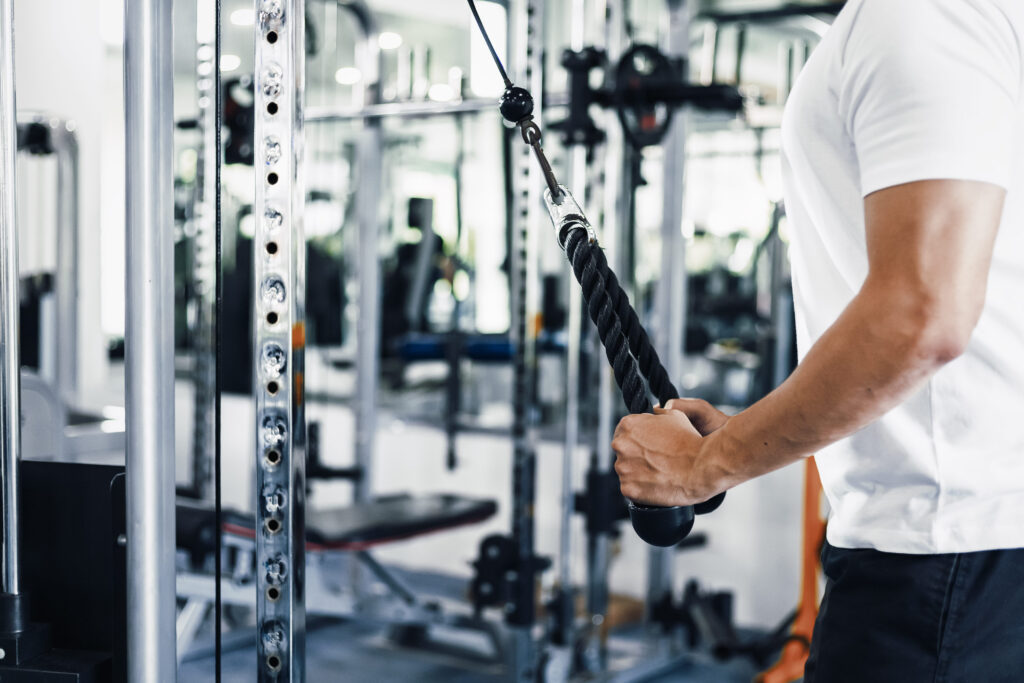
Strength Training During Summer Heat
What the Altitude and Heat Do to You
Altitude is the quiet variable nobody plans for. Up this high, the sun hits noticeably harder, and you dehydrate way faster than you actually feel. Stack real summer heat right on top, and your body is suddenly working serious overtime to stay cool. Throw in the afternoon thunderstorms this town is famous for, and timing stops being optional at all. Respect all of it, and you’ve taken the first real step toward safe, effective summer training.
Fuel, Water, and Timing
Two things move the needle most in the heat. What actually goes into your body, and when you choose to train. Nail both of those, and the rest gets genuinely easy.
Hydrate As It Matters
Water isn’t a gentle suggestion in summer; it’s the whole ballgame, especially at this altitude. You’re losing far more than you think, so never wait on thirst:
- Sip water steadily before, during, and after every single session.
- Long or brutal workout? Add electrolytes, a sports drink, or a salty snack.
Solid nutrition backs it all up, keeping your energy and recovery right where they need to be.
Time It and Fuel It
Timing is quietly half the whole win. Push your outdoor work to the cool of early morning or evening, and duck the harsh midday sun whenever you possibly can:
- Skip the heavy meals and the alcohol right before you train hard.
- Eat balanced, real food to fuel work and recovery properly.
Get the timing and fuel fully dialed, and your summer training will run itself from there.
Train Smart, Not Just Hard
Here’s the thing nobody really wants to hear. Gutting it out through the heat isn’t tough; it’s genuinely risky. Your body throws up clear flares. Ignore them at your own peril.
Read the Signs and Beat the Heat
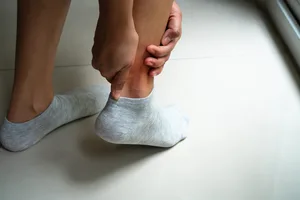
Dizzy, faint, weak, queasy, or cramping up hard? Stop. Cool down. Even those muscle cramps can be an early warning sign of heat illness, so please don’t take the chance! Don’t start full speed on day one, acclimatise your body. Protect your skin, as well as this sun up in the high Himalayas is quite real, some sun cream, a hat, light garb that breathes, and so on. CDC provides reliable information for all those doing summer training, monitoring of real, serious heat. And the simplest fix of them all? Just go inside. A 24-hour gym to train anytime without the distractions of sun, storms and excuses, combined with a routine training program that ensures honesty and discipline. It’s consistency over raw intensity, and that’s the key to keeping your summer training alive all season. Ready to keep crushing it? Call SigmaGainz to get a no-cost performance assessment.
Frequently Asked Questions
How do I stay hydrated while training in summer?
Not just in the gym, all day long. Take water at a slow, steady pace and wait not at all to be thirsty. Before, during, after – Keep it flowing! Long or hard session in the sun? Add any electrolytes, a sports drink, or some real salt to replenish electrolytes. At Colorado Springs’ elevation, hydration becomes an even more critical—and valuable priority every summer.
When’s the best time to work out in summer?
Either early or late; true to truth. Mornings and evenings are cooler, as is the sun, and the sun beats less in the afternoon. Midday outdoors stuck training at any rate? Stay in the shade, take frequent breaks, and drink even more water than usual. Easiest move by a country mile, an AC Gym, an hour doesn’t mean shit, heat doesn’t come close to meeting you.
How do I know if it’s heat exhaustion?
Be alert for excessive perspiration, fainting, weakness, vomiting, a throbbing headache, and an abrupt onset of muscle cramps. Could you find any of them? Find a cool spot, cool down and drink water. If left untreated, heat exhaustion can escalate into a true emergency: heat stroke; never tough it out. If there is any doubt, slow down, rest, hydrate and seek medical attention immediately if it does not resolve quickly.
Does altitude change summer training here?
Yes, it does, it does! Air is rarefied beyond 6,000 feet, the sun is more intense, and fluid is lost more quickly, adding new challenges to workouts. Give your body real time to adjust, drink more than usual, and shield your skin from that fierce sun. Brand new to the elevation? Take things easy and gradually build up. Contact us to build a full training plan that actually fits you.